






Concrete Blocks
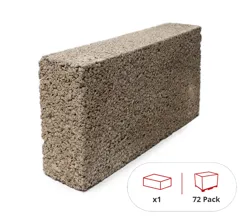
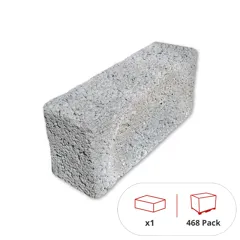
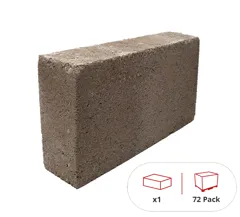
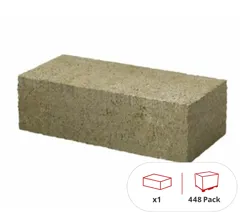
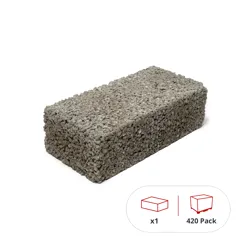
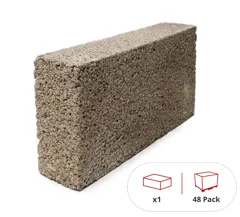
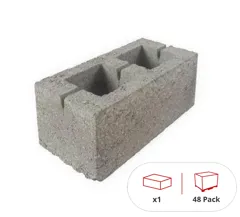
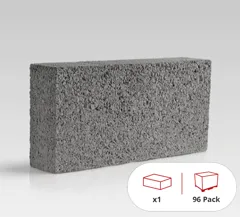
Concrete blocks — also known as breeze blocks or cinder blocks — are versatile and durable building materials widely used in construction for walls, foundations, structural support, load-bearing structures and beam and block flooring.
We stock a full range at Elliotts ready to click & collect or for local delivery across Hampshire, Dorset and the South.
All blocks are supplied in the standard UK face size of 440 x 215mm, with thicknesses of 100mm, 140mm and 215mm to suit single-skin, cavity and load-bearing walls. We work with trusted manufacturers including S. Morris Ltd, Forterra Conbloc and Marshalls.
Types of concrete block
Solid concrete blocks
Solid blocks have no voids and deliver maximum compressive strength, making them the go-to choice for load-bearing walls, foundations and below-DPC work. Available in 7.3 N/mm² and higher strength grades.
Hollow concrete blocks
Hollow blocks have cavities running through the core, which reduces weight, improves handling on site and can be filled with concrete and rebar for reinforced structural walls. Commonly used in retaining walls and piers.
Medium dense concrete blocks
Medium dense blocks strike a balance between strength and weight. Their slightly softer surface takes render and plaster well, making them a popular choice for the inner and outer leaves of cavity walls.
Coursing bricks and slip bricks
Coursing bricks (215 x 65mm) are used to level courses and fill small gaps without cutting full blocks on site. Slip bricks are thinner (typically 40mm deep) for tight detailing and facing work.
Get the right concrete blocks for your project
We have a great range of concrete blocks to suit all stages of your project available for click & collect or local delivery across Hampshire and the South.
Not sure what you need? Pop into your nearest Elliotts branch for some expert advice from our experienced team.
Frequently asked questions about concrete blocks
Are breeze blocks the same as concrete blocks?
In the UK, "breeze block" is used interchangeably with "concrete block". The term originally referred to lightweight blocks made with coal cinders (breeze) as aggregate, but today it's commonly used for any standard concrete masonry block.
What size are standard concrete blocks in the UK?
The standard UK concrete block face size is 440 x 215mm. Thicknesses of 100mm, 140mm and 215mm cover most applications —
- 100mm for single-skin walls and cavity leaves,
- 140mm and 215mm for load-bearing and structural work.
What's the difference between solid and hollow concrete blocks?
- Solid blocks have no internal voids and offer the highest compressive strength for load-bearing walls.
- Hollow blocks have cavities that reduce weight and can be filled with concrete and reinforcement for structural applications where reinforced masonry is specified.
Are concrete blocks load bearing?
Yes, most concrete blocks are suitable for load-bearing use. The compressive strength rating (measured in N/mm²) indicates how much load the block can support —
- 7.3 N/mm² is standard for domestic load-bearing walls
- 10.4 N/mm² and 22.5 N/mm² blocks are used for higher-load applications
How many concrete blocks are there per square metre?
At the standard UK face size of 440 x 215mm, you'll need 10 blocks per square metre (excluding mortar joints). Add around 5-10% for wastage on cuts and breakages.